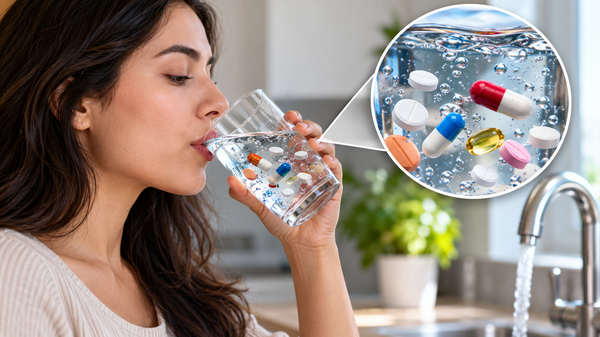
Agricultural Runoff: How Farming Practices Impact Our Groundwater

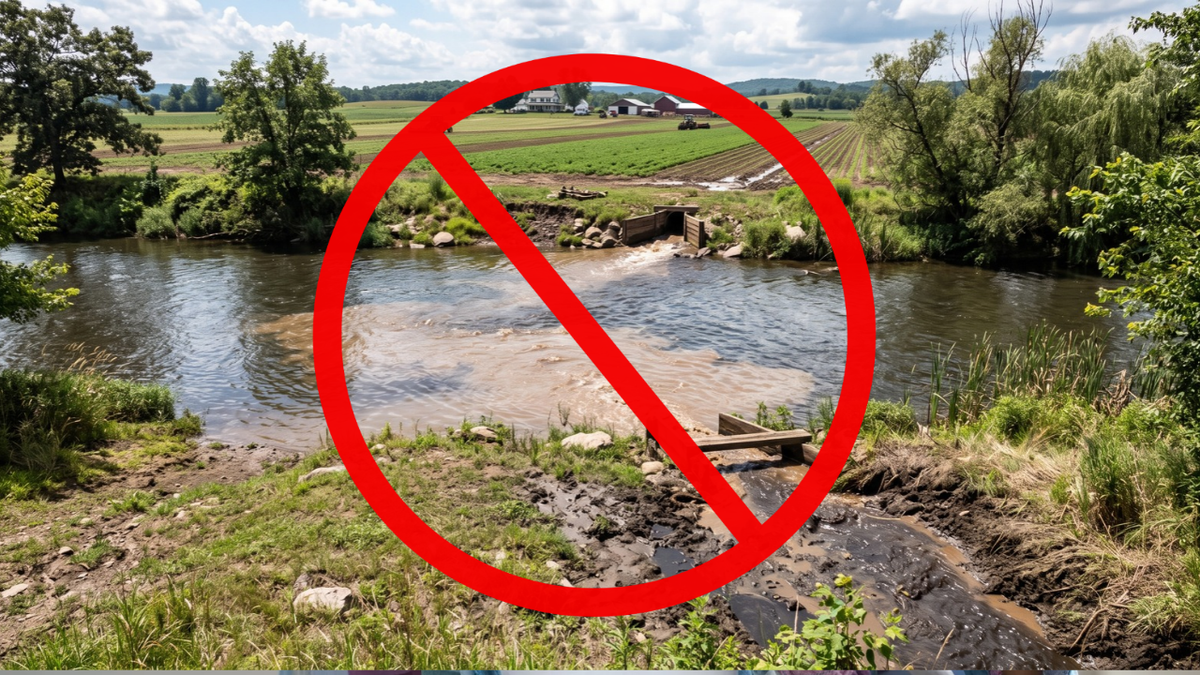
When you turn on the kitchen faucet, you probably do not think about what is happening miles away in a farm field. But the rain that falls on a field can carry much more than water. Fertilizer, manure, soil, pesticides, and other substances can move with that water into streams and, in some cases, into groundwater.
For homeowners in Hardin County and central Kentucky, understanding this connection matters. Some people rely on private wells, while others receive water from a city or county system. Either way, the quality of the water we depend on is connected to what happens on the land around us.
Research on agricultural runoff explains how these contaminants can move through soil and water, but it does not establish specific contamination levels for every well or water system in Hardin County. The concern is about understanding the potential pathways and knowing what steps homeowners can take to protect their drinking water.
How Agricultural Runoff Gets Into Groundwater
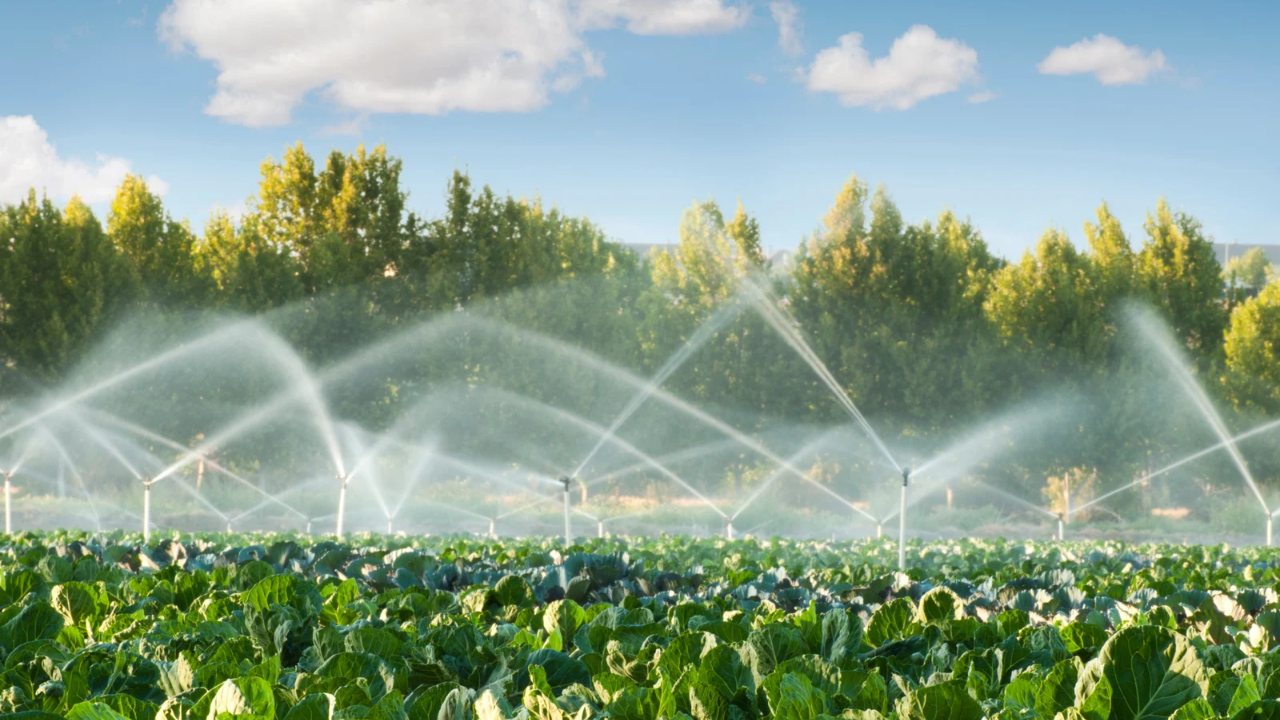
Agricultural runoff is simply water from rain, irrigation, or snowmelt that moves across or through farmland. As it travels, it can pick up substances from the soil and from agricultural activities.
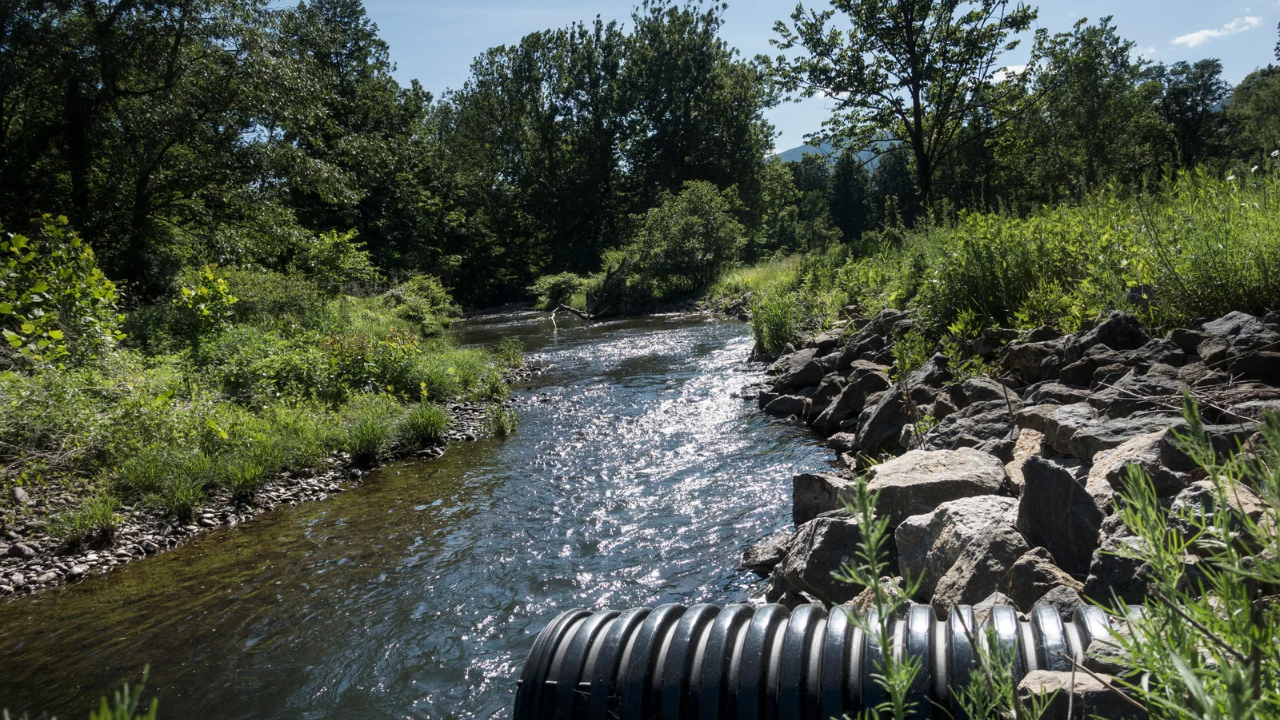
There are two main pathways.
Surface runoff happens when water moves across the ground instead of soaking in. It can carry soil, fertilizer, manure, pesticides, and other contaminants toward streams, ponds, springs, and reservoirs.
Leaching happens when water moves downward through the soil. Dissolved contaminants can travel toward groundwater and aquifers, which are underground formations that store and transmit water. Private wells commonly draw water from these underground sources.
That means a contaminant does not have to be dumped directly into a well to potentially affect well water.
Why Heavy Rain Can Matter
Rainfall can change the picture quickly. A field may look perfectly normal, but a major storm can move water across the land and through the soil.
Research on non-point source pollution shows that rainwater and melting snow can transport pollutants over land and through soil, eventually reaching groundwater, wetlands, rivers, and lakes.
This is called non-point source pollution because there is not necessarily one pipe or outlet that can be identified as the source. Instead, pollution can come from many areas across a landscape. That makes agricultural runoff harder to measure and control than pollution coming from a single discharge point.
In areas where groundwater is especially vulnerable to surface activity, the connection between land use and drinking water becomes even more important.
The Central Kentucky Factor: Karst and Sinkholes
A big reason runoff moves so quickly in central Kentucky comes down to what is underneath our feet. Much of Hardin County and the surrounding region sits on karst geology, a landscape formed from porous limestone packed with sinkholes, caves, and underground conduits.
In areas with thick, tight clay or dense rock, surface water might take weeks or months to slowly filter through the soil before reaching an aquifer. In our karst terrain, a heavy downpour can channel field runoff directly into sinkholes and underground streams in a matter of hours. That bypasses the soil’s natural filtering ability entirely, meaning whatever is on the surface can find an express route straight into local groundwater.
What Agricultural Contaminants Can Reach Drinking Water?
Agricultural runoff is not just one contaminant. Different farming practices can introduce different substances into water.
PFAS From Biosolids and Some Pesticides
PFAS are a large group of persistent chemicals that can enter farmland through biosolids, the nutrient-rich solids produced during wastewater treatment. When PFAS-contaminated biosolids are applied to fields, the chemicals can remain in the soil and, under some conditions, move downward with water into groundwater and nearby wells. Whether a well is affected depends on factors such as the soil, groundwater conditions, and the well’s location and depth.
Some fluorinated pesticides can also break down in soil into persistent PFAS, including a compound called trifluoroacetic acid. This does not mean that all pesticides contain PFAS; the potential depends on the specific chemical and how it breaks down. Rainfall and irrigation can carry certain chemicals and breakdown products through soil toward aquifers, particularly where groundwater is shallow or conditions allow faster movement.
PFAS are not detectable by taste, smell, or appearance. If a private well may be near land treated with biosolids or certain fluorinated pesticides, testing specifically for PFAS is one way to find out whether they are present.
Nitrates From Fertilizer and Manure
Nitrate is one of the major concerns associated with agricultural activity. Nitrogen-rich fertilizers and manure provide nutrients crops need, but excess nitrogen can move into groundwater.
Studies have found that nitrate can leach through soil and enter groundwater. High nitrate levels can be a health concern, particularly for infants and pregnant women.
The challenge is that nitrate does not necessarily make water look, smell, or taste different. You may have no obvious warning that it is present.
That is why water testing is important if you are concerned about agricultural contamination.
Pesticides and Herbicides
Farmers use pesticides to control insects, weeds, fungi, and other pests. These chemicals can move into water through runoff, rainfall, and soil.
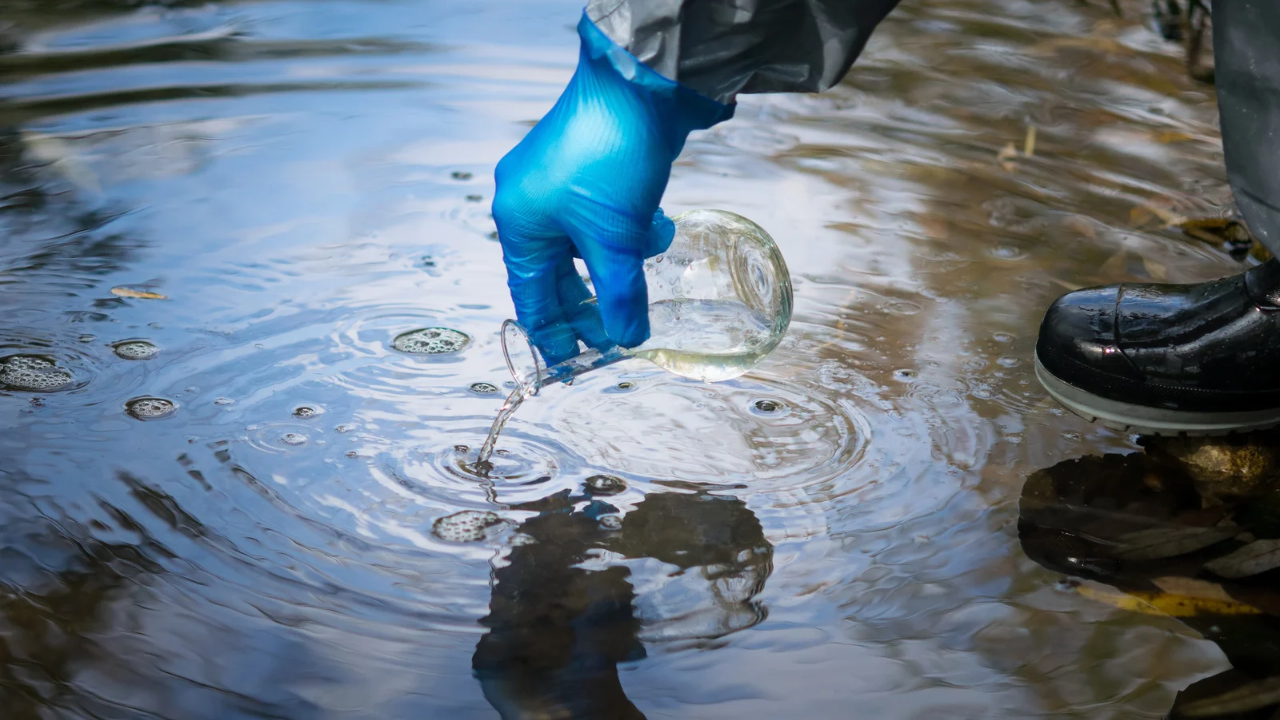
Research has shown that certain pesticides can reach groundwater and potentially affect private wells. How easily a pesticide moves through soil depends on factors such as the chemical itself, soil conditions, rainfall, and how the product is applied.
A 2024 residential water-treatment study examined several treatment methods for 13 pesticides. Under the study conditions, reverse osmosis and activated carbon achieved complete removal of the pesticides tested.
That does not mean every RO system removes every pesticide. Treatment performance depends on the specific contaminant and the design and certification of the treatment system.
This is one reason a generic water filter should not automatically be assumed to remove every agricultural chemical.
Bacteria From Livestock Operations
Where livestock are raised, manure can become another pathway for contamination. Runoff from animal areas can carry coliform bacteria and other microorganisms toward water sources.

Research on private wells has identified livestock waste as a potential source of bacterial contamination.
Bacteria are different from nitrate and pesticides because treatment needs to address microorganisms directly. If a private well tests positive for coliform bacteria, the well itself may need to be disinfected and the source of contamination investigated.
For persistent bacterial problems, additional treatment such as ultraviolet disinfection may be considered.
What Can Homeowners Do?
You may not be able to control farming practices around your home, but you can take a proactive step to help improve the water your household drinks every day.
Start With a Culligan Water Consultation
A Culligan water consultation can help you understand your water and explore a treatment solution that fits your home. For well owners near farmland or livestock operations, it can be especially reassuring to discuss concerns such as PFAS, nitrate, bacteria, pesticides, and metals with a local Culligan water expert.
Many contaminants have no noticeable taste, smell, or appearance. And because agricultural conditions vary, a water consultation can help identify the right water treatment system configuration for your concerns, not just a one-size-fits-all filter.
Understanding Water Testing Options
During an in-home visit, basic water tests can quickly measure everyday characteristics like hardness, total dissolved solids (TDS), iron, and pH right at the kitchen sink. However, contaminants like PFAS, specific pesticides, and bacteria require specialized, certified laboratory analysis. A consultation is a great way to evaluate your property's specific risks, discuss whether professional lab testing is recommended, and determine which certified filtration systems (such as reverse osmosis or UV disinfection) will best protect your household.
Broad-Spectrum Filtration With Reverse Osmosis
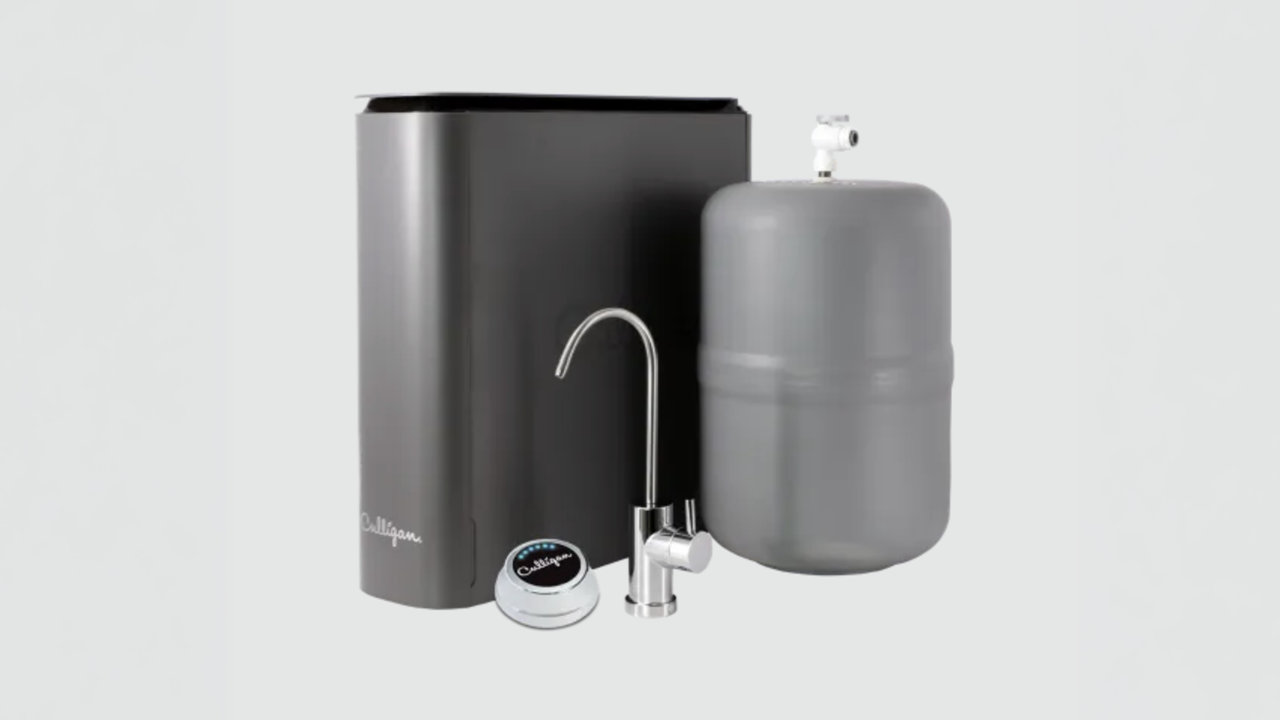
Reverse osmosis, or RO, is a powerful drinking-water treatment technology. The Culligan Aquasential® RO system combines multiple filtration stages, including an RO membrane with available filter options designed to reduce a broad range of contaminants.
Depending on the system configuration, Aquasential RO is certified to reduce more than 90 contaminants, including PFAS, nitrate, lead, arsenic, mercury, and other substances. Optional filtration can add further treatment for concerns such as pesticides, pharmaceuticals, and certain microorganisms.
That broad capability makes Aquasential RO an appealing choice for homeowners who want more than a basic taste-and-odor filter. Rather than relying on a pitcher or a standard carbon filter alone, you can work with Culligan to choose an under-sink system with filtration stages and options suited to your home’s water.
Why Consider Culligan’s Aquasential RO System?
Culligan’s Aquasential RO line offers advanced, multi-stage drinking-water filtration, with options such as a Total Defense Cartridge for additional reduction of PFAS, pesticides, and other contaminants. The systems are tested and certified by the Water Quality Association to applicable standards for specific performance claims. A Culligan water expert can help you select the configuration that best fits your water and household needs. (CULLIGAN)
Aquasential RO also provides filtered water right at the sink for drinking and cooking. With the Smart RO option, homeowners can get features such as filter-change alerts and water-quality tracking, making it easier to stay on top of system maintenance.
A Simple Approach for Homeowners
If you live near farmland or livestock operations, there is no need to panic every time it rains. You can take a practical, confidence-building approach:
- Give me a call to discuss your water source, location, and concerns.
- We will explore a broad-spectrum solution. Aquasential RO combines multiple stages of filtration and offers options for additional contaminant reduction.
- You choose the right configuration. I can help match the available filtration options to your home’s water and concerns.
- You keep up with maintenance. Replacing filters as recommended helps your system continue performing as intended.
Whether your home uses a private well or city water, Culligan can help you explore drinking-water treatment options for your household. Clean, great-tasting water starts with the right system and Aquasential reverse osmosis offers a powerful, customizable way to bring advanced filtration to your kitchen.
If you are concerned about your home's water quality or want help understanding your testing and treatment options, reach out to me at:
shawn.paul@culligankentucky.com
502-756-1366
No pressure, just an honest conversation.
Get a free water test or consultation on a Culligan Aquasential Reverse Osmosis.
FAQ's
- Can regular household filters remove farm pesticides and herbicides?
Standard basic carbon pitcher filters or refrigerator filters often lack the contact time, micron rating, or specific media to remove high concentrations of dissolved agricultural chemicals. Effective reduction typically requires certified multi-stage carbon block systems, reverse osmosis (RO), or targeted specialty media. - What causes seasonal taste and odor spikes in tap water near rural areas?
Excess phosphorus and nitrogen runoff into surface reservoirs often triggers massive algae blooms during warm months. As the algae die off, compounds like geosmin and MIB (2-methylisoborneol) are released, giving the tap water a pungent earthy or musty smell and taste.
Culligan of Elizabethtown
113 Gaither Station Road
Elizabethtown, KY 42701
502-756-1366
Proudly serving Hardin County (including Elizabethtown, Radcliff, and Vine Grove), alongside neighboring communities throughout Nelson, Bullitt, Grayson, LaRue, and Hart counties