Why Don't Refrigerator and Pitcher Filters Cut It?

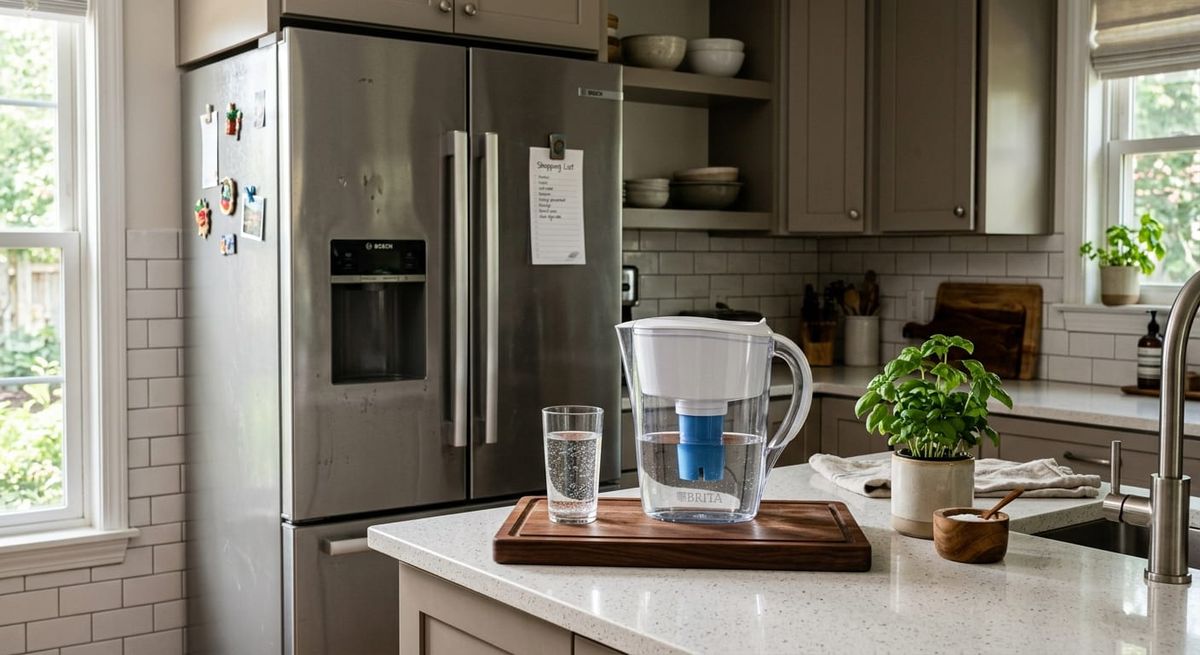
A glass of cold water from the refrigerator can taste clean, fresh, and almost perfect. A pitcher filter can do the same thing. So it is easy to assume that if the water tastes better, it must also be much cleaner.
But taste and water purity are not the same thing.
Refrigerator and pitcher filters can be useful for improving the taste and smell of drinking water. Most basic systems rely mainly on activated carbon, which is especially good at reducing chlorine and some organic compounds. But that does not mean they are designed to handle every contaminant that could be present in your water.
If your goal is broader contaminant reduction, the difference between a basic carbon filter and a reverse osmosis system becomes important.

What Refrigerator and Pitcher Filters Actually Do
Most refrigerator, pitcher, faucet, and countertop filters are designed around convenience. They are relatively simple to install and use, and many focus on improving the taste and smell of tap water.
Activated carbon works by adsorbing certain contaminants onto its surface. In simple terms, water passes through the carbon, and some unwanted substances stick to it. How well this works depends partly on the amount of carbon, its surface area, and how long the water stays in contact with it.
That makes activated carbon useful, but it has limits.
Chlorine is a good example. Municipal water systems commonly use chlorine for disinfection, but chlorine can give water a swimming-pool-like taste or smell. Carbon filtration can reduce that chlorine taste and odor, making the water much more pleasant to drink.
That is a real benefit. The problem starts when we assume better-tasting water automatically means comprehensive purification.
Pitcher Filters Have Some Built-In Limitations
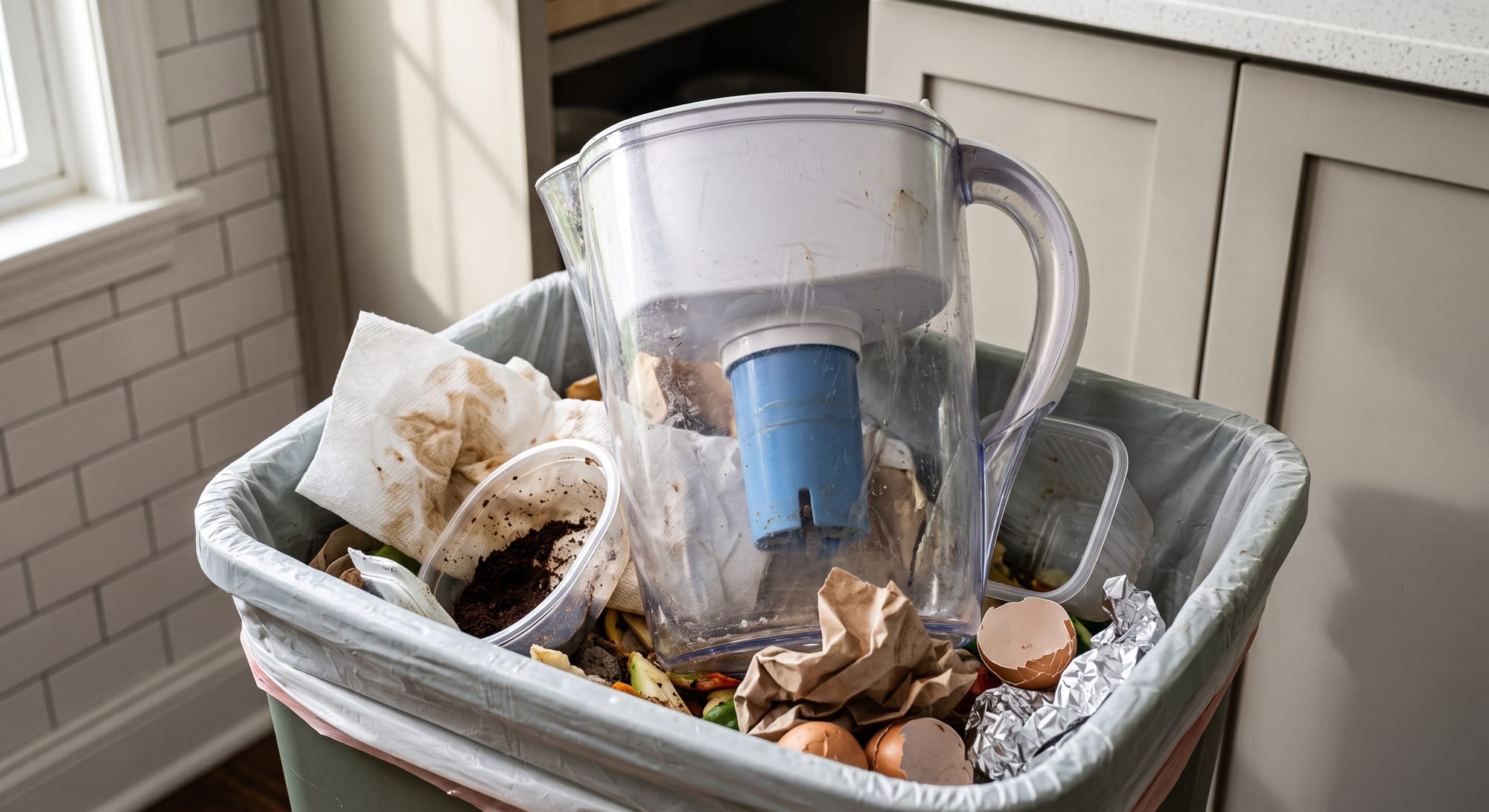
A pitcher has limited space for filtration media. It also relies on gravity to move water through the filter. Because people do not want to wait a long time for a pitcher to filter a glass of water, pitcher filters generally use smaller amounts of carbon, often in a loose-granule form.
Refrigerator filters have some advantages over pitchers. They can be larger and use the pressure of the water supply, which can allow for greater contaminant reduction. Even so, standard refrigerator filters still do not provide the same level of filtration as a reverse osmosis system.
Clean Taste Does Not Tell You Everything
This is probably the biggest thing to remember.
You cannot reliably tell what is in your water simply by tasting it.
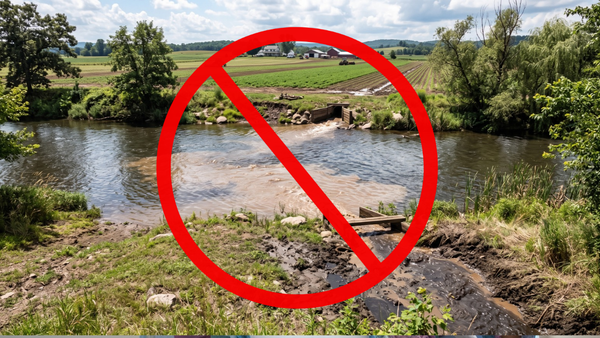
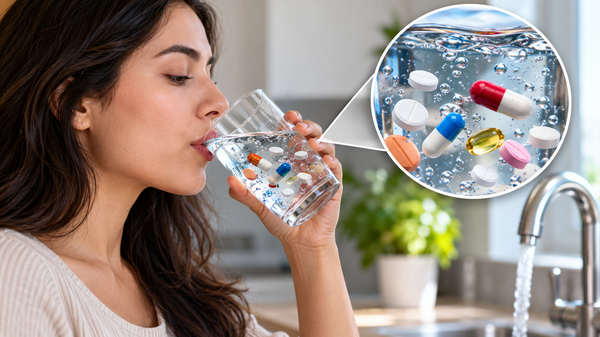
A refrigerator filter can make water taste noticeably better by reducing chlorine, for example. But sources note that basic filters have more limited capabilities when it comes to contaminants such as arsenic, pharmaceuticals, fluoride, lead, pesticides, and PFAS, depending on the particular filter and its certifications.
Aquasana also notes that many refrigerator filters are not designed to address contaminants such as PFAS, pharmaceuticals, pesticides, and microplastics.
This does not mean every refrigerator or pitcher filter fails to reduce these substances. Filter performance varies by product, and the important question is what that particular filter has actually been tested and certified to reduce.
That is why the label matters.

The Difference Is in the Filtration Process
Think of basic carbon filtration as one useful tool rather than a complete water treatment system.
Reverse osmosis, or RO, adds another level of treatment. A typical RO system can begin with sediment and carbon filters, then force the water through a tightly woven, semi-permeable membrane. This membrane is designed to block contaminants that simpler filtration can miss.
After the RO membrane, some systems use additional specialty filters and a final carbon filter before the water reaches your tap.
That multi-stage approach is what makes RO different.
According to Culligan, an Aquasential Reverse Osmosis system can address a much wider range of potential contaminants, including lead, arsenic, fluoride, dissolved minerals, VOCs, PFAS, and, depending on the system configuration, bacteria and viruses.
High-capacity RO membranes can reduce up to 95% of undesirable substances, while specific systems and configurations can have different certified reduction claims.
Why Pressure Matters
The way water moves through the system matters, too.
A pitcher depends on gravity. A refrigerator filter uses water pressure but still has limited filtration media. An RO system uses pressure to push water through its specialised membrane.
That membrane is the key difference. Instead of depending primarily on carbon to adsorb certain substances, RO uses a physical separation process that can address a much broader range of dissolved impurities.
Look for Certification, Not Just Big Claims
If you are comparing water filters, do not judge a system only by words such as "pure", "clean", or "advanced".
Look at what the product is certified to reduce.
The Culligan source explains several NSF standards that can help consumers understand what a filter has been tested for:
- NSF/ANSI 42: Generally covers taste and odor concerns.
- NSF/ANSI 53: Covers reduction of contaminants with health effects.
- NSF/ANSI 58: Applies specifically to reverse osmosis systems.
- NSF/ANSI 401: Addresses certain emerging contaminants.
Third-party certification can give you a clearer picture of what a particular system is actually designed and tested to reduce.
It is also worth remembering that not every filter removes the same contaminants. Two products may both be called "carbon filters" while having very different designs and certified capabilities.
So, Do You Need Reverse Osmosis?
If you are concerned about a wider range of contaminants, it makes sense to look beyond a basic fridge or pitcher cartridge.
A water test can help you understand what is actually in your water before choosing a treatment system. Culligan recommends professional water testing and consultation to identify water quality concerns and choose an appropriate treatment approach.
For private well owners, testing is especially important. Culligan notes that private wells are not treated or overseen by a local authority in the same way as regulated public water systems and recommends annual testing to determine whether contaminants or other water-quality problems are present.
What About Culligan Aquasential Reverse Osmosis?
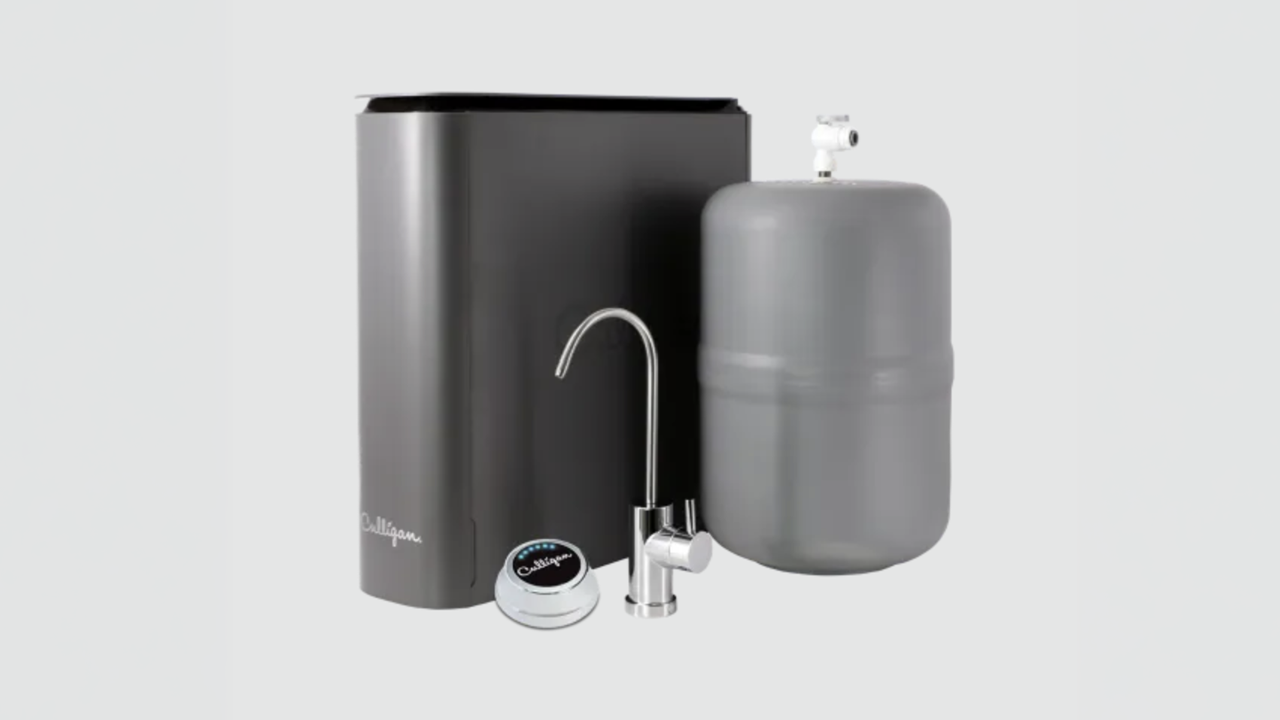
Culligan's Aquasential Reverse Osmosis systems are an example of the under-sink RO approach. They are certified to reduce more than 90 contaminants, depending on the system and configuration.
The bigger point is straightforward: an RO system is designed to provide substantially broader filtration than a basic refrigerator or pitcher filter. It can also supply treated water for drinking and cooking directly at the kitchen sink.
And if you prefer cold water or refrigerator ice, an RO system can be connected to a refrigerator in a properly designed installation.
Start With Your Water, Not the Filter
At the end of the day, a great-tasting glass of water is refreshing, but knowing it is genuinely clean gives your family total peace of mind. Why guess or cross your fingers with basic fridge filters and marketing hype? Skip the uncertainty, schedule a free in-home water test with your local Culligan water expert, and let certified NSF/ANSI-rated multi-stage protection do the heavy lifting.
Ready to upgrade your hydration from basic to brilliant? Reach out to me, your local Culligan consultant, today for a custom consultation and water analysis. Here is to crisp, confident, reliable water straight from your tap every single day!
If you would like personalized help understanding your home's water quality and the treatment options available, reach out to me at:
shawn.paul@culligankentucky.com
502-756-1366
A water test and conversation can help you understand your options without guessing.
Get a free water test or consultation on a Culligan Aquasential Reverse Osmosis.
FAQ's
- Can I connect a Culligan Aquasential Reverse Osmosis system to my existing refrigerator?
Yes. A Culligan Aquasential Reverse Osmosis system is typically installed under your kitchen sink or in the basement and can easily be plumbed directly to your refrigerator's water dispenser and automatic ice maker. This eliminates the need to buy pricey, short-lived refrigerator replacement filters altogether while giving you crystal-clear ice and purified water right from the door. - What exactly is hard water, and why does it cause so much trouble in a home?
Hard water has high concentrations of dissolved minerals, primarily calcium and magnesium, picked up as groundwater travels through rock and soil deposits. While you cannot see these minerals when they are fully dissolved, the moment hard water is heated or evaporates, those minerals crystallize into hard, chalky calcium deposits known as scale. Over time, that scale coats the inside of your plumbing, chokes water flow, clogs fixtures, ruins water heaters prematurely, and leaves stubborn film on shower doors and glassware. It also neutralizes soaps and detergents, causing dry, irritated skin, lifeless hair, and dingy, stiff laundry. The only true fix for hard water is removing those dissolved minerals right where water enters the house using a dedicated water softener.
Culligan of Elizabethtown
113 Gaither Station Road
Elizabethtown, KY 42701
502-756-1366
Proudly serving Hardin County (including Elizabethtown, Radcliff, and Vine Grove), alongside neighboring communities throughout Nelson, Bullitt, Grayson, LaRue, and Hart counties