Are You Drinking Prescription Drugs? The Truth About Tap Water


When you turn on the kitchen faucet and fill a glass, you probably think about whether the water looks clear, smells clean, and tastes good. You probably are not wondering whether it contains traces of a medicine that someone else took earlier that day.
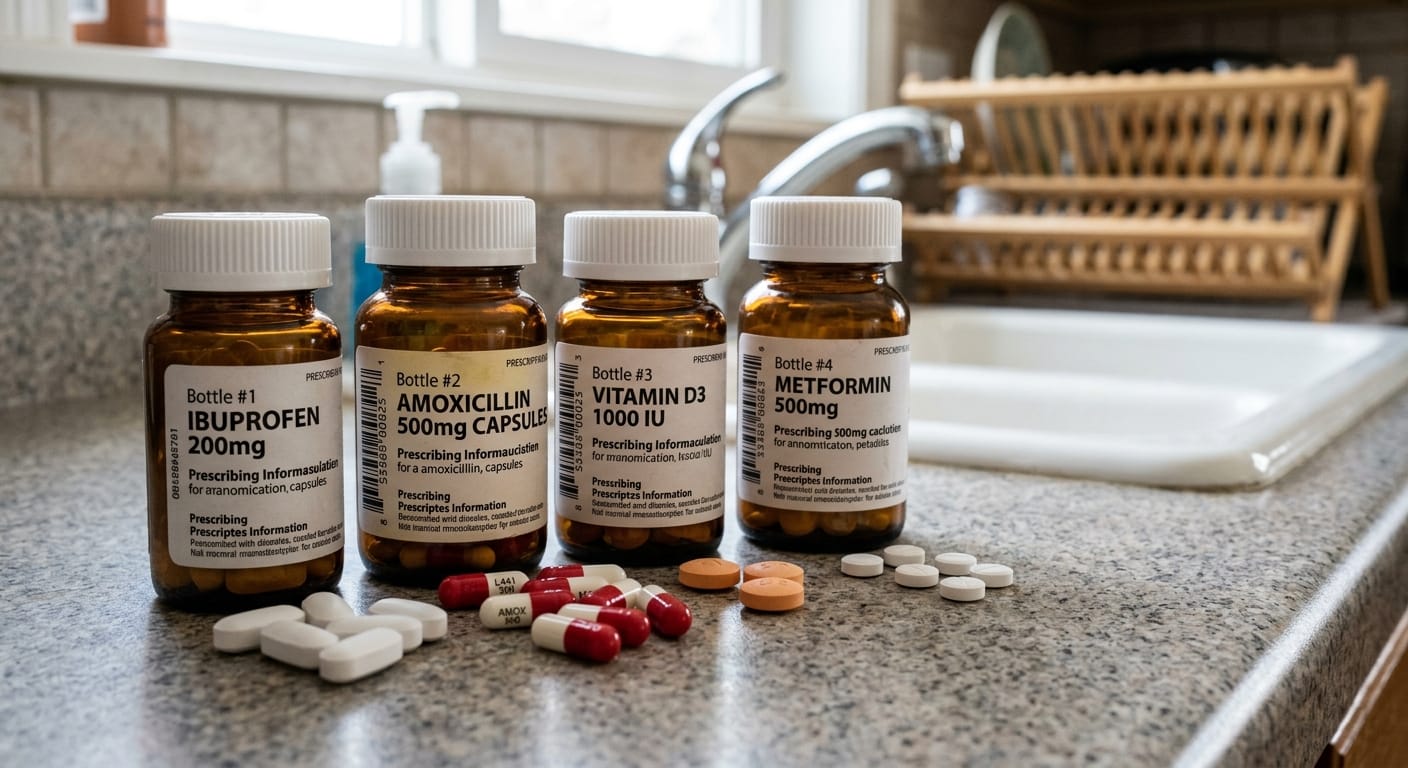
But researchers have found trace amounts of pharmaceuticals in some drinking water supplies. These can include prescription and over-the-counter medications, such as certain blood pressure drugs, antibiotics, hormones, and other medicines.
That does not mean your tap water is unsafe to drink, or that you are unknowingly taking a normal dose of someone else's medication. The concentrations detected are generally very small, and the health effects of long-term exposure at these levels are still not fully understood.
Still, it raises a reasonable question: how do medications get into drinking water in the first place, and what can you do if you want an extra layer of filtration?
How Do Pharmaceuticals Get Into Drinking Water?
The journey can begin after someone takes a medication.
Our bodies do not always use every part of a drug. Some substances can leave the body through urine or feces and enter the wastewater system. Medications can also enter water when people dispose of unwanted drugs improperly, including flushing them down the toilet.
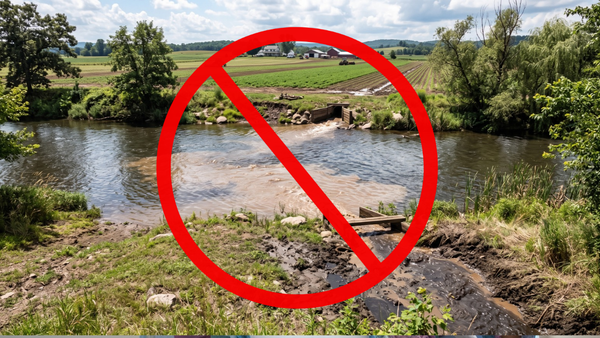
There are other possible sources, too. Some studies identify human activity, veterinary medications, agricultural activity, pharmaceutical manufacturing, and hospital residues as potential pathways for pharmaceuticals to enter water supplies.
Once these compounds enter wastewater, they can be difficult to remove completely.
Wastewater treatment plants use processes such as coagulation, sedimentation, and filtration to clean water. These processes are important for treating wastewater, but they were not necessarily designed to remove every trace chemical compound, including pharmaceuticals.
After treatment, water can eventually make its way into rivers, lakes, reservoirs, or groundwater sources used for drinking water.
That is how a substance that started as someone's medication can become part of a much larger water cycle.
What Has Actually Been Found in Tap Water?
The answer is more complicated than the phrase "drugs in drinking water" might suggest.
Some studies have detected pharmaceuticals at very low concentrations. One source reports that many pharmaceutical compounds occur at concentrations below 10 nanograms per liter.
A separate WebMD report described findings from an investigation of drinking water in 24 major metropolitan areas where tiny amounts of pharmaceuticals were detected. The substances included antibiotics, hormones, mood stabilizers, and other medications.
Some studies have also detected specific medications in treated water. One study involving 50 large water treatment facilities found that more than half of the facilities tested positive for at least 25 different drugs. The medications reported included hydrochlorothiazide, metoprolol, atenolol, and carbamazepine.
These findings can sound alarming, but the numbers matter.
The concentrations are generally measured in extremely small amounts, often parts per billion or even parts per trillion. Experts cited by WebMD said there was not enough evidence at the time to determine whether these levels cause harmful health effects in people.
In other words, detecting a chemical does not automatically mean that drinking the water will cause harm.
So, Should You Be Worried?
This is where a little perspective helps.
The available sources do not establish that trace pharmaceutical levels in drinking water are causing widespread health problems. In fact, experts cited by WebMD specifically said that the health effects were not known.
At the same time, "we don't know" is different from "there is nothing to investigate".
Some pharmaceuticals are designed to have biological effects at very low concentrations. Researchers have therefore continued to study what long-term exposure to mixtures of pharmaceutical compounds might mean.
The issue is also difficult to study because people are exposed to many substances at the same time, and the concentrations in water can vary.
So there is no reason to panic over a glass of tap water. But if reducing trace contaminants is important to you, additional treatment at the point where you actually drink the water can be a practical option.
Does Boiling Water Remove Pharmaceuticals?
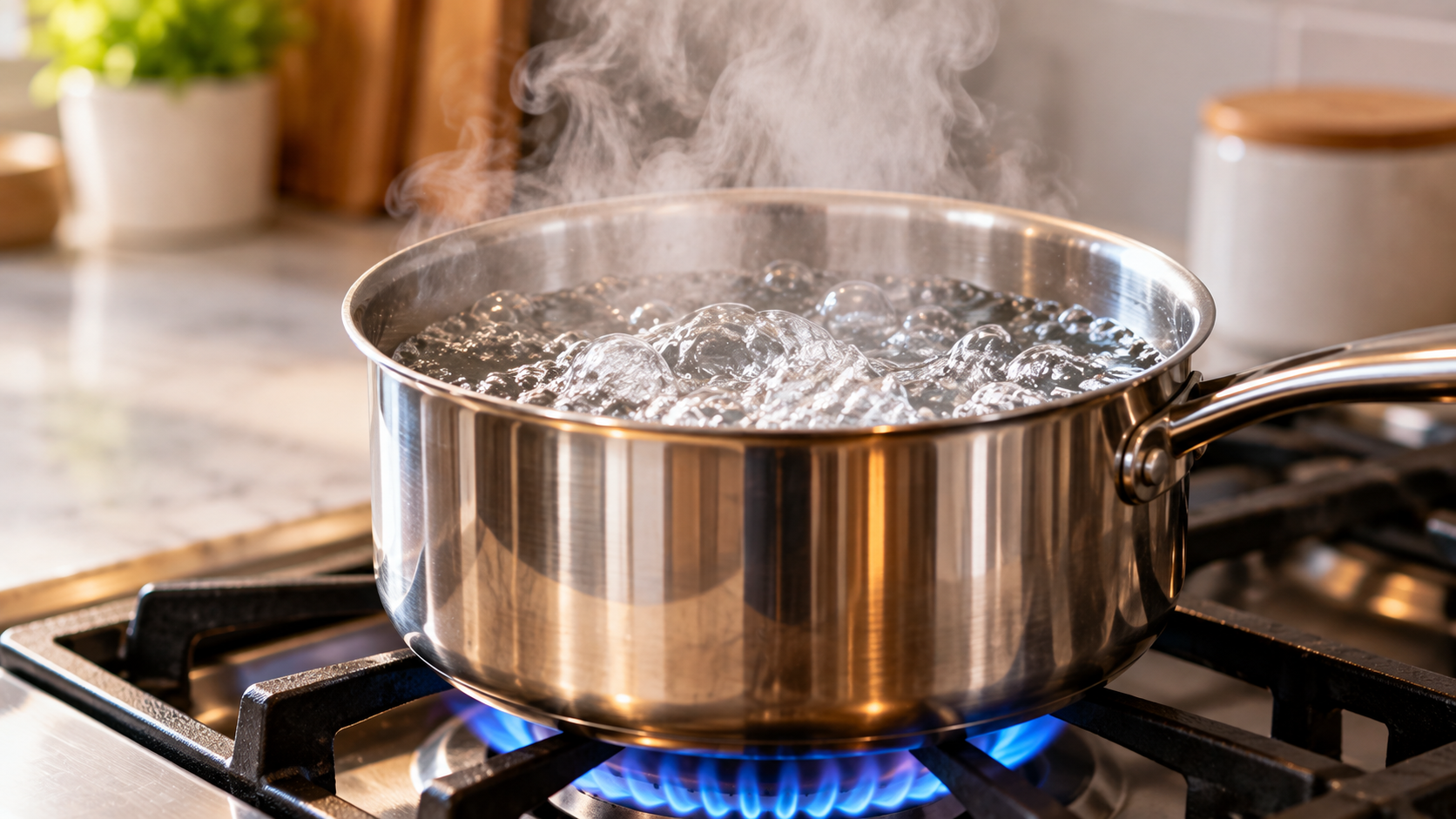
Boiling is not a reliable answer to this particular problem.
The WebMD source specifically notes that boiling does not solve the problem of pharmaceuticals in drinking water.
Current Culligan information likewise states that boiling water does not remove pharmaceuticals and may concentrate certain compounds as water evaporates.
That is an important distinction. Heating water can address certain biological concerns, but it should not be treated as a universal method for removing chemical contaminants.
What About a Regular Water Filter?
Not every filter is designed to remove the same things.
Some activated carbon systems can reduce certain pharmaceutical compounds, but performance varies depending on the contaminant, filter design, contact time, and other factors. WebMD notes that activated charcoal can remove some pharmaceutical drugs, but not all.
This is why the word "filtered" by itself does not tell you very much.
A better question is:
What is this particular filter certified to reduce?
Current Culligan information explains that some of its filtration systems are independently certified to reduce pharmaceuticals and other contaminants.
Some studies and independent reviews also highlight the importance of checking specific certifications rather than relying on broad filtration claims. Current filtration products may carry certifications under standards such as NSF/ANSI 42, 53, and 401 for specific contaminants and emerging compounds.
However, those certifications apply to specific products and specific claims. A certification for one filter should not automatically be assumed to apply to another model.
Why Reverse Osmosis Gets Attention
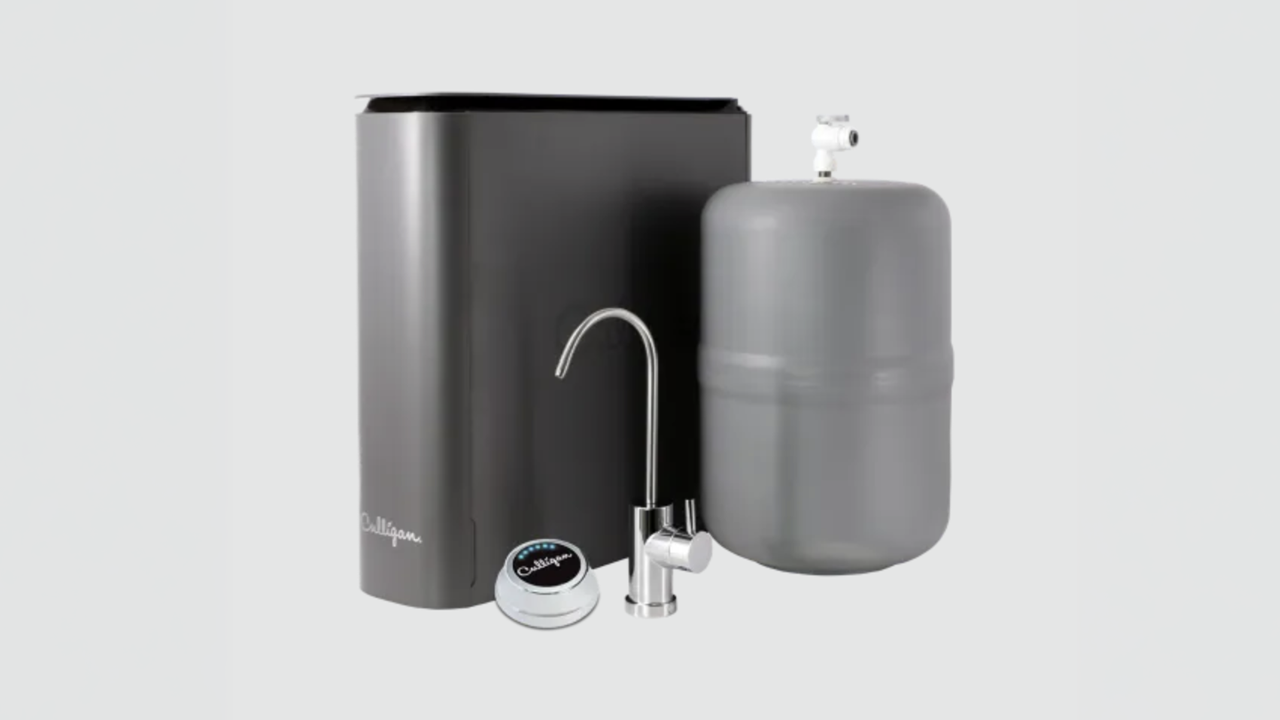
Reverse osmosis, often shortened to RO, is a filtration process that uses a membrane to separate many dissolved substances from water.
Some studies identify reverse osmosis as one of the technologies that can reduce pharmaceuticals. Research cited in the source material reports that reverse osmosis and nanofiltration have been shown to remove up to 99.99% of pharmaceuticals under tested conditions.
WebMD also notes that reverse osmosis systems can reduce some pharmaceutical compounds.
The important word here is "undertested conditions". Actual performance depends on the system, the contaminant, and how the equipment is operated and maintained.
If you are considering an RO system, look beyond broad claims on a product page. Check the performance data and independent certification for the exact model and filter combination you are buying.
When it comes to safeguarding your home's drinking water, the Culligan Aquasential Reverse Osmosis system equipped with the Total Defense cartridge offers the ultimate peace of mind. By combining advanced reverse osmosis technology with a specialized multi-stage barrier, this premium system effectively targets and removes trace pharmaceuticals, pesticides, mercury, and volatile organic compounds (VOCs). It doesn't just stop at everyday impurities; it delivers a comprehensive defense by protecting against over 90 different contaminants—including an incredible 99% of "forever chemicals" (PFAS). Investing in the Aquasential system means choosing unmatched purity, exceptional taste, and a healthier lifestyle for your entire family.
A Simple Way to Think About Your Drinking Water
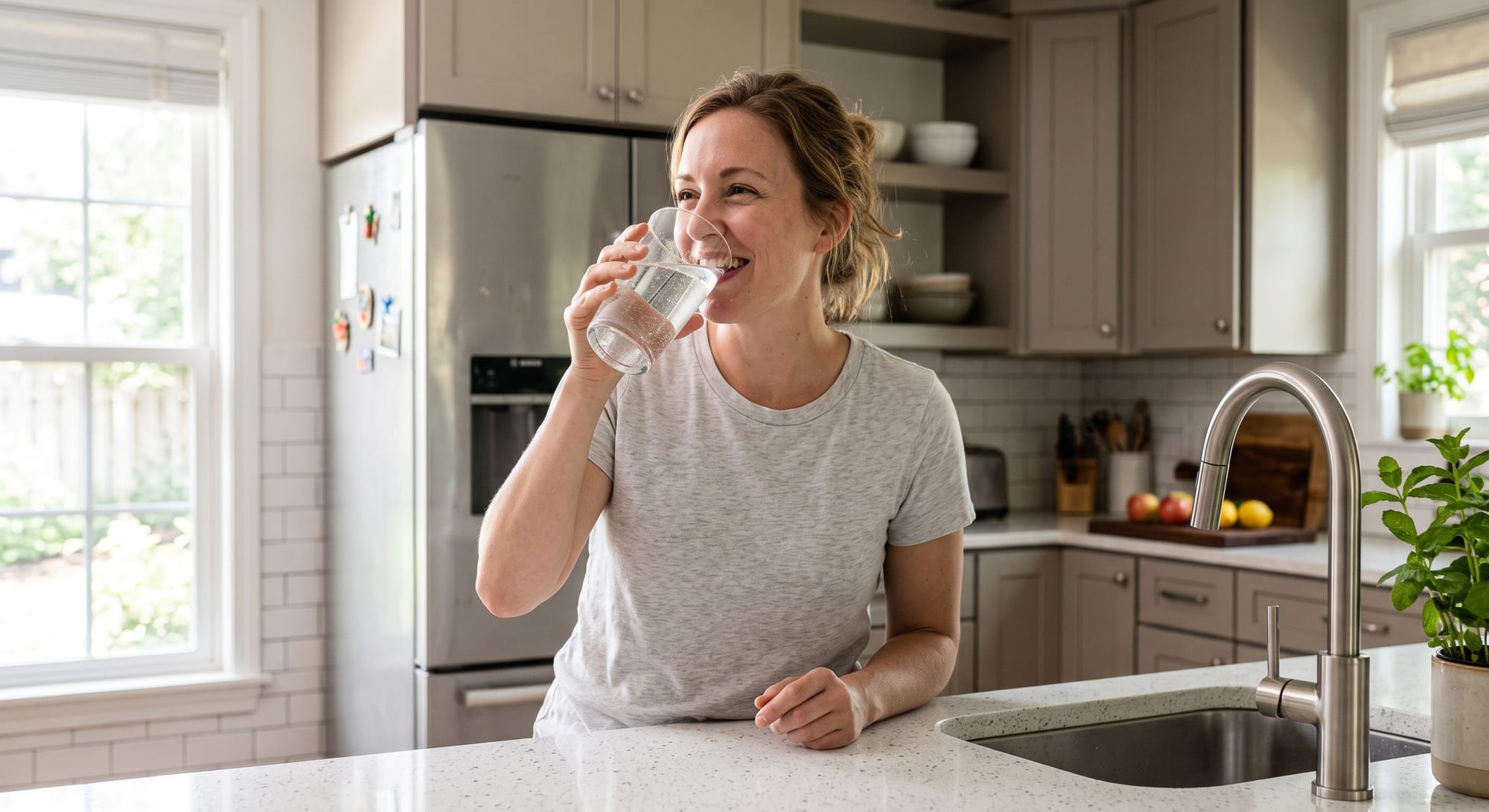
You do not have to look at your tap water as either "perfectly safe" or "dangerous".
Municipal water treatment plays an important role in making public water supplies suitable for everyday use. At the same time, treatment systems have different goals and capabilities, and some trace compounds can remain after conventional treatment.
If you want additional protection for the water you actually drink and cook with, consider these steps:
- Find out what is in your water. Water testing can give you a better starting point than simply buying a filter based on a general claim.
- Look for independent certification. Organizations such as NSF and IAPMO test and certify water treatment products against specific standards and claims.
- Check the exact contaminant claim. Do not assume that a filter certified for one substance will remove another.
- Replace filters on schedule. Filtration performance depends on using and maintaining the system as directed.
- Dispose of unwanted medication properly. Do not automatically flush unused medication down the toilet. Follow local disposal guidance or an approved medication take-back program.
The goal is not to become afraid of your faucet. It is simply to understand what your water treatment system is designed to do.
Clean Water Starts With Knowing What You Are Filtering
The idea of drinking trace amounts of someone else's medication is certainly unsettling. But the science gives us a more measured picture: pharmaceuticals have been detected in some water supplies, usually at very low concentrations, while the potential long-term health effects remain an area of ongoing research.
If you want another layer of protection, point-of-use filtration can give you more control over the water you use for drinking and cooking. Reverse osmosis and other certified filtration technologies can reduce certain pharmaceutical compounds, but the right choice depends on your water and the specific contaminants you want to address.
And remember, a filter should not be chosen simply because it sounds advanced. Check the certification, read the performance data, and make sure the exact model is tested for the contaminants that matter to you. If you would like personalized help understanding your water treatment options, you can reach out to me at:
shawn.paul@culligankentucky.com
502-756-1366
No pressure, just an honest conversation.
Get a free water test or consultation on a Culligan Aquasential Reverse Osmosis.
FAQ's
- If my city says my water meets federal standards, why does it still smell or taste weird?
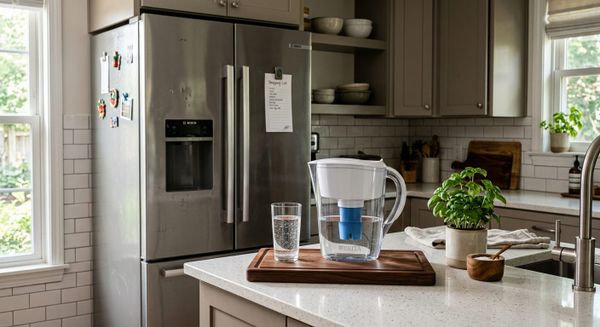
Municipal treatment plants focus on meeting EPA minimums for safety, using chlorine or chloramines to disinfect water as it travels through miles of underground mains. That chemical treatment, combined with mineral content and aging distribution pipes, often leaves tap water with an off-putting pool-water odor or metallic taste. - Will a standard refrigerator or pitcher filter protect against emerging contaminants?
Most standard pitcher and fridge filters rely on simple carbon media designed primarily to improve taste and reduce chlorine odor. They typically lack the micron density, contact time, or specialized filtration stages needed to tackle tiny, complex dissolved compounds like "forever chemicals" (PFAS), lead, or pharmaceutical residuals, which require certified multi-stage or reverse osmosis technology to reliably reduce. A reverse osmosis system such as the Culligan Aquasential Reverse Osmosis will help you remove emerging contaminants.
Culligan of Elizabethtown
113 Gaither Station Road
Elizabethtown, KY 42701
502-756-1366
Proudly serving Hardin County (including Elizabethtown, Radcliff, and Vine Grove), alongside neighboring communities throughout Nelson, Bullitt, Grayson, LaRue, and Hart counties