Are You Drinking Plastic? The Microplastic Reality

It's Not Just in the Ocean Anymore
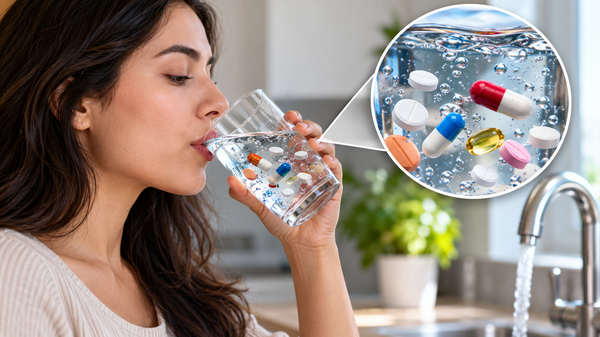
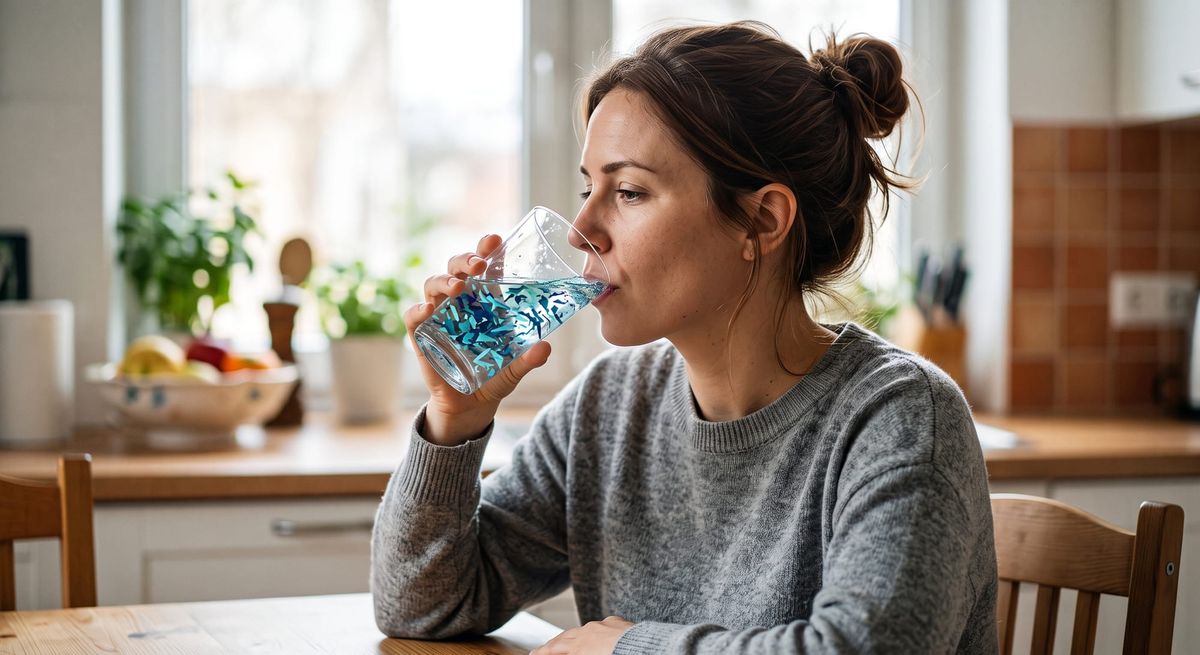
If you've seen headlines about plastic showing up in tap water and bottled water lately, you're not imagining things. Researchers have found tiny plastic particles in drinking water worldwide, and research on this has grown a lot in just the last couple of years. Before you panic and start hoarding bottled water (which, spoiler alert, is actually part of the problem), let's walk through what scientists actually know, how these particles end up in your glass, and what filtration options actually do something about it.
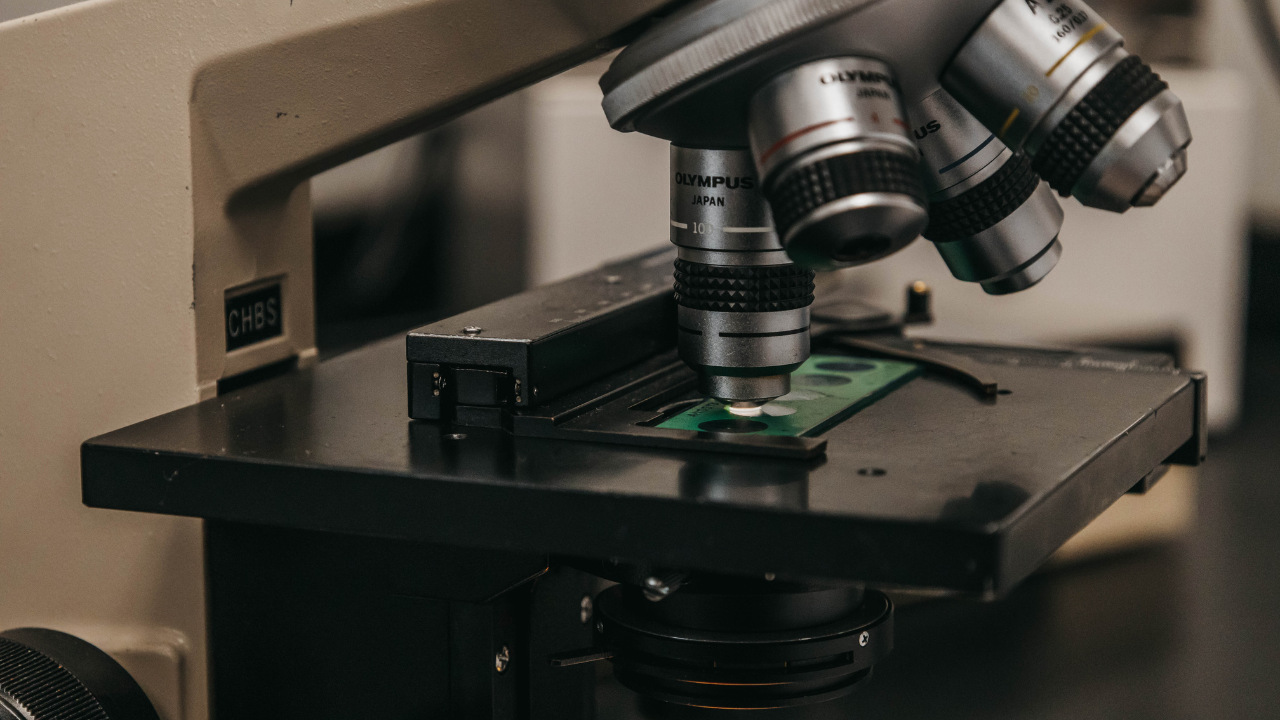
What Are We Even Talking About?
Microplastics are plastic fragments smaller than 5 millimeters, which is about the size of a pencil eraser. Nanoplastics are the next size down, smaller than 1 micrometer, roughly a thousandth the width of a human hair. That size difference matters more than it sounds like it should:
- Microplastics come from things breaking down over time, like plastic bottles photodegrading in sunlight, synthetic clothing shedding fibers in the wash, and tires wearing down on the road.
- Nanoplastics are small enough to pass through cell walls and even cross the blood-brain barrier, which is why researchers have started paying much closer attention to them.
The Evolving Reality of Microplastics in Our Water.
While the World Health Organization's 2019 review initially considered health risks from drinking water microplastics to be low based on early data, recent science has shifted the conversation from a theoretical curiosity into an active area of toxicological research:
- Detection in vital tissues: Researchers are now focusing on nanoplastics, which are small enough to interact directly with human cells. Recent studies have detected these particles in human blood, lung tissue, vascular walls, and placentas.
- Cardiovascular links: A landmark 2024 clinical study observed a notable correlation between plastic particles found in arterial plaque and higher rates of heart attacks and strokes, prompting deeper investigation into how foreign synthetic particles might drive vascular inflammation.
- Evolving regulations: Major agencies like the WHO and EPA emphasize that clear evidence of direct, long-term health consequences from normal ingestion is still being established. However, with the EPA taking initial steps to prioritize microplastics on drinking water contaminant candidate lists, official standards are actively working to catch up.
The presence of plastic particles in tap and bottled water is no longer hypothetical. While scientists continue to evaluate the exact biological impact, taking sensible, proactive steps to reduce everyday exposure is simply a practical choice for your household.
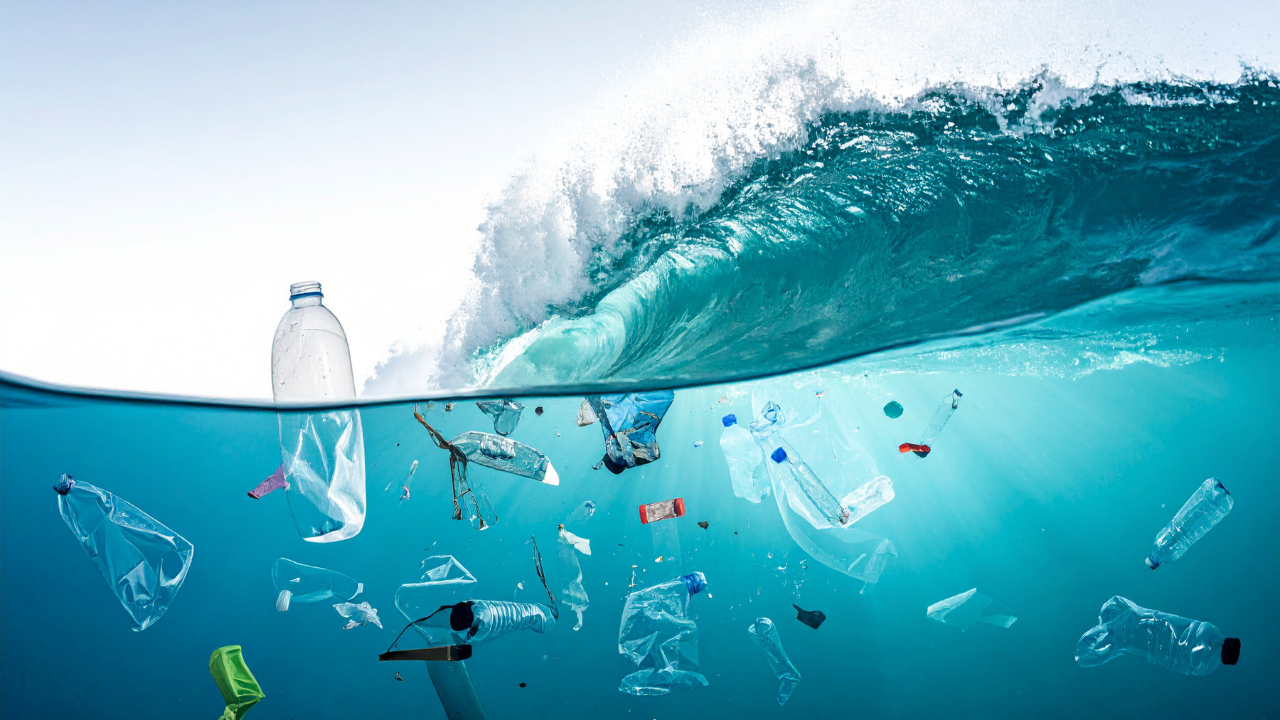
How Does Plastic Get Into the Water in the First Place?
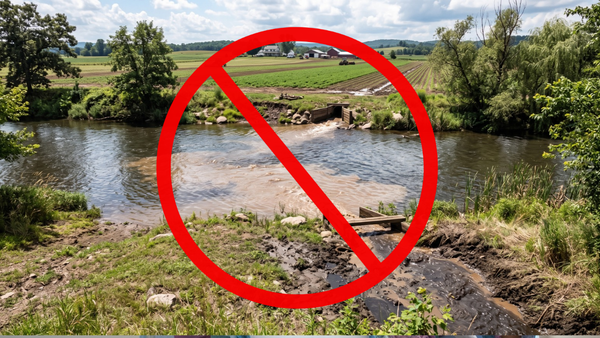
A lot of it starts with everyday stuff, entering rivers and lakes from a dozen directions at once:
- A single load of laundry with synthetic fabrics like polyester or nylon can release hundreds of thousands of microscopic fibers into the wastewater stream.
- Tire dust gets washed off roads and into storm drains every time it rains.
- Plastic packaging slowly breaks apart into smaller and smaller fragments over time.
- Industrial facilities discharge plastic pellets and polymer dust into wastewater.
Here's what surprises most people: your local wastewater treatment plant isn't built to catch most of it. Municipal treatment relies on processes like coagulation, sedimentation, and sand filtration, which were designed decades ago to remove particles in the 10 to 50 micron range. The problem is that most microplastics are smaller than that, and nanoplastics are smaller still. Research suggests that somewhere between 40 and 70 percent of microplastics pass straight through conventional treatment. What doesn't get removed goes right back into the river, which, in many communities, is the same river that feeds the downstream drinking water system. It's a loop that our infrastructure simply wasn't designed to close.
Wait, Isn't Bottled Water the Safer Choice?
This is the instinct a lot of people have, and it turns out to be exactly backward:
- A 2018 study led by researcher Sherri Mason tested 259 bottles across 11 major brands and found that 93 percent contained microplastic contamination, averaging around 325 particles per liter, roughly double what the same research team had measured in tap water.
- A 2024 study from Columbia University, using a new laser-based imaging technique that could detect nanoplastics for the first time, found bottled water contained an average of 240,000 plastic particles per liter, with about 90 percent of those being nanoplastics too small for older studies to even see.
The researchers pointed to the bottle itself and the bottling process, not the source water, as the main contributor. In other words, switching from tap to bottled water to avoid plastic is, by the numbers, one of the worst things you can do.
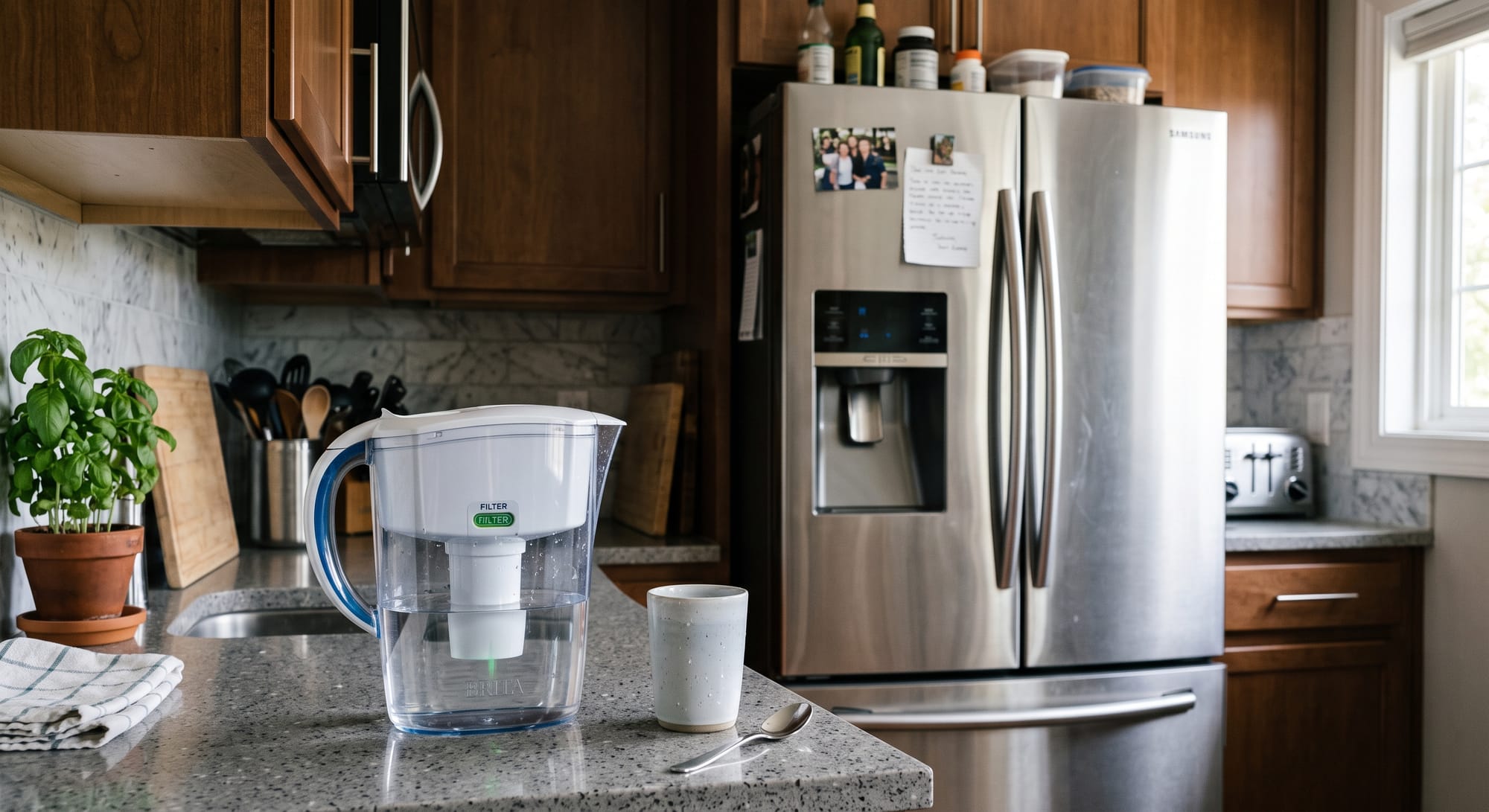
Does Your Pitcher or Fridge Filter Already Handle This?
Most people assume the answer is yes. It's usually no.
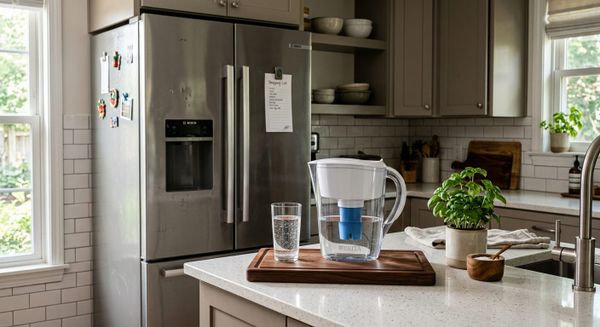
- Standard pitcher filters (the Brita-style kind using loose granular carbon) typically have pore sizes between 20 and 50 microns. Since most microplastics in tap water are smaller than 20 microns, the majority pass right through. These filters do a good job with taste and chlorine, but they were never engineered with microplastics in mind.
- Solid carbon block filters, a step up from loose granular carbon, can do better, with pore ratings around 0.5 to 10 microns. But quality varies a lot between products. One peer-reviewed study in Brazil found that water coming out of some carbon tap filters had higher microplastic counts than the unfiltered tap water going in, because the filter's plastic housing was shedding particles.
That's a good reminder that a filter's material matters just as much as its pore rating.
Where Reverse Osmosis Fits In
Reverse osmosis works differently. It forces water through a semipermeable membrane with pores around 0.0001 microns, roughly 10,000 times smaller than the smallest microplastic particles detected in water. Because removal here comes down to basic physics rather than chemistry, an intact RO membrane simply doesn't let plastic particles, at any size, pass through.
Culligan's Aquasential Reverse Osmosis systems, when paired with the Total Defense cartridge, offer a few clear advantages over a pitcher or fridge filter:
- Certified to reduce more than 99 percent of microplastics.
- Also targets more than 90 other common contaminants, like lead, chlorine, and PFAS, at the same time.
- Needs less frequent maintenance, since the membrane typically lasts three to five years compared to a pitcher cartridge that needs swapping every couple of months.
That's the real advantage: you're not just addressing one emerging concern, you're getting broader protection in the same glass of water.
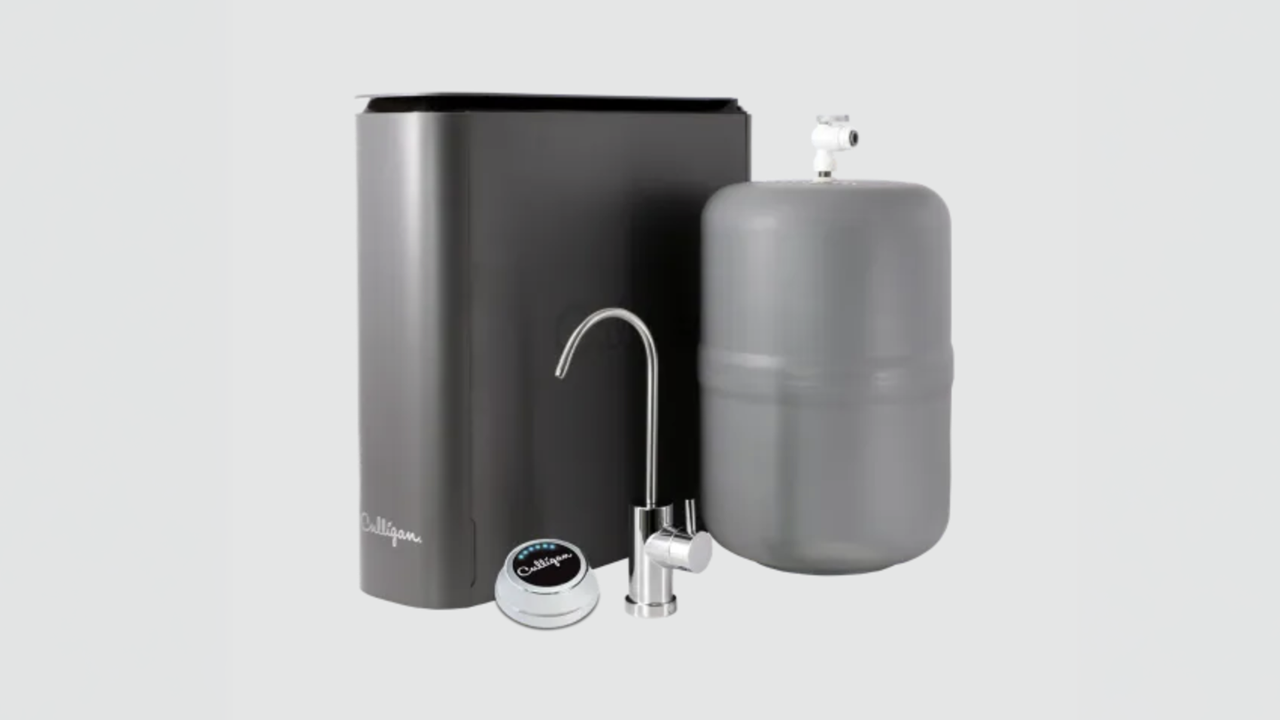
Third Party Certification
The Culligan Aquasential RO® system is tested and certified by WQA to NSF/ANSI 58, NSF/ANSI 42, NSF/ANSI 53, NSF/ANSI 401, NSF/ANSI 372, CSA B483.1 and NSF Protocol P231 and conforms to these standards for specific performance claims as verified and substantiated by test data.
The Bottom Line
Here's the honest summary of where things stand:
- Microplastics are genuinely present in a lot of our water supply, including tap water, because our wastewater infrastructure wasn't built to catch particles this small.
- Bottled water isn't the escape hatch it seems, and it's often worse.
- Your everyday pitcher or refrigerator filter likely does very little against this specific problem, even though it helps with taste and chlorine.
- Reverse osmosis, with a properly rated membrane, is currently the most reliable residential option for addressing microplastics at both the micro and nano scale.
None of this is a reason to panic, but it's reasonable to want more information, especially if you're weighing your family's everyday water quality. If you'd like to talk through what's happening in your water and whether a filtration upgrade makes sense for your home, feel free to reach out to me:
shawn.paul@culligankentucky.com
502-756-1366
No pressure, just an honest conversation.
Get a free water test or consultation on a Culligan Aquasential Reverse Osmosis.
FAQ's
- Will a water softener fix bad-tasting water, or do I need a reverse osmosis system?
Water softeners are built primarily to remove hard minerals like calcium and magnesium, while reverse osmosis systems (installed under your kitchen sink) are best for polishing taste by stripping out chlorine, PFAS, and microscopic impurities. Often, combining both gives you the best setup. - Does city water in Elizabethtown, KY need filtering if it already meets safety standards?
Safe to drink" legally just means it meets federal minimums, which often still leaves behind strong chlorine tastes, hard minerals, and contaminants that may not even be on the EPA's radar yet—like microplastics, PFAS, and various pharmaceuticals. If you want water that isn't just legally compliant, but actually tastes great and is thoroughly polished, filtration makes a massive difference right here in Hardin County.
Culligan of Elizabethtown
113 Gaither Station Road
Elizabethtown, KY 42701
502-756-1366
Proudly serving Hardin County (including Elizabethtown, Radcliff, and Vine Grove), alongside neighboring communities throughout Nelson, Bullitt, Grayson, LaRue, and Hart counties.